The 7 Best Drum Brushes of 2026 (Metal, Nylon, Retractable)
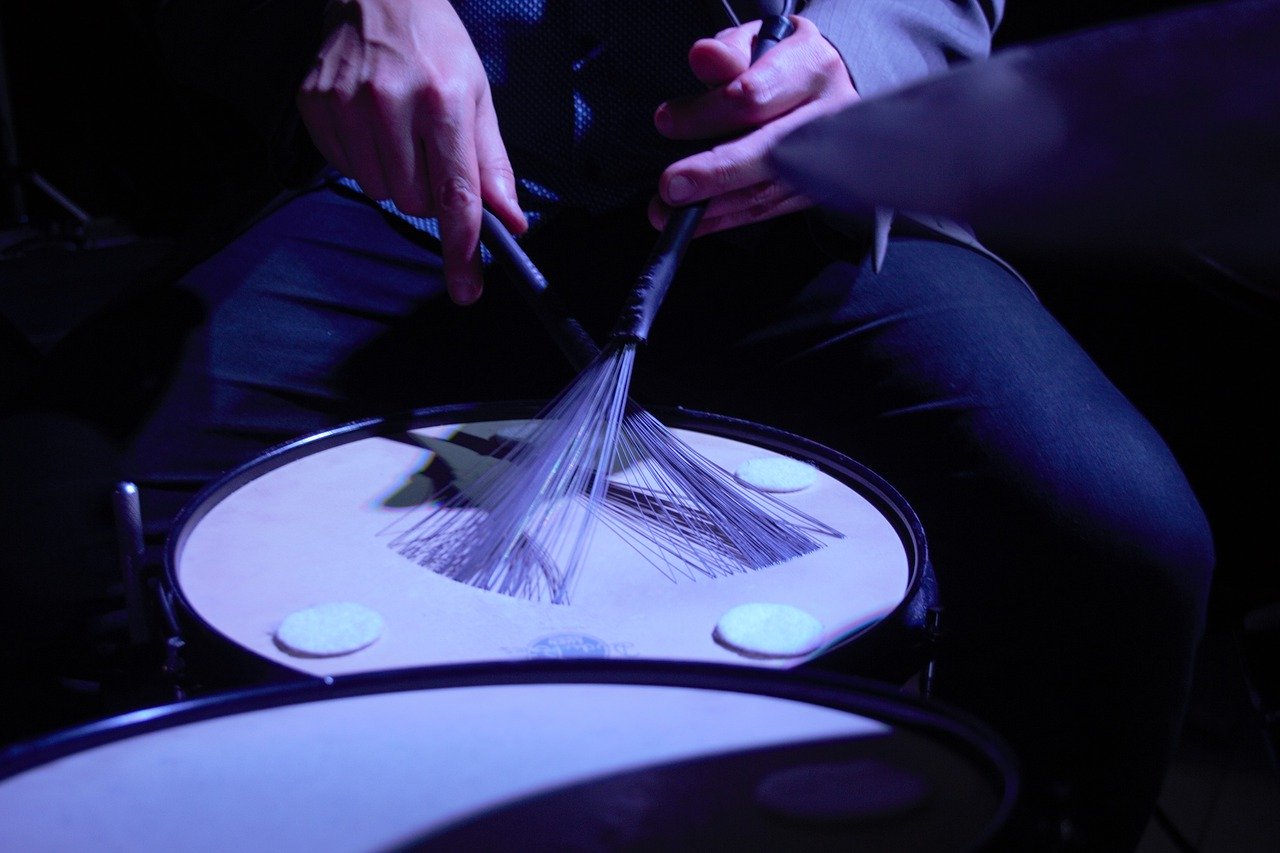
Looking for a great pair of drum brushes for your acoustic drums? They are heavily used in Jazz and Blues music, but drummers of many various genres use them. They are also used as a lower volume alternative to sticks.
Drummers use different techniques when playing them, but the most iconic one is a frisky, crispy sound of brushes being dragged around the snare. You can also play them in a similar way to normal sticks, though it gives a more muffled sound with a lower attack.
My top pick is the Vic Firth Heritage Brush. A well-rounded choice from a trusted manufacturer.
My budget pick is the Musiclily Retractable Jazz Drum Brush suitable for those looking for a more affordable option.
Contents
- The 7 Best Drum Brushes (2026)
- 1. Vic Firth Heritage HB Wire Brushes
- 2. Musiclily Retractable Jazz Drum Brushes
- 3. Vater VWTW Fixed Wire Brushes
- 4. Vic Firth Steve Gadd SGWB Wire Brushes
- 5. Vic Firth WB Jazz Brushes
- 6. ProMark Light Nylon Brush 5B
- 7. ProMark TB3 Jazz Telescopic Wire Brushes
- The Coming of Drum Brushes
- How do drum brushes sound?
- How are they build and what types of brushes are there?
- What to look for when buying a drum brush?
- Conclusion
The 7 Best Drum Brushes (2026)



Let’s compare these in more detail.
1. Vic Firth Heritage HB Wire Brushes
The Vic Firth Heritage brushes are probably one of the most comfortable and ergonomic brushes out there. That’s because they have light-gauge metal wires which can be retracted.
The handle on this thing is made of rubber, which gives a nice balance to the brush and makes for very comfortable playing even for longer hours.
The brushes are easy to navigate around the drumhead. They also get a very nice sound from your drums and your cymbals. Since the wires are retractable, you get a lot of say and a lot of possibilities in the sounds that you can produce using the Vic Firth Heritage Brush.
2. Musiclily Retractable Jazz Drum Brushes
The Musicily Retractable Jazz drum brushes are telescopic brushes that can be retracted for greater articulation and wider dynamics.
These brushes have a rubber handle, which is great for long playing sessions. Also, the wires are made of plastic instead of metal, preventing them from bending and making them last a long time.
This brush pair is a good choice for beginner to intermediate drummers. It is well balanced, fairly lightweight, and quite durable. So, you can get a lot out of them, both in your practice sessions and on stage.
3. Vater VWTW Fixed Wire Brushes
The Vater VWTW is a fixed-wire brush with a 5A-sized wooden handle. It does not retract; the open fan is ready as soon as you pick it up. Vater also makes a separate retractable VWTR, so do not mistake this exact VWTW listing for that model. Choose it if a wood grip feels more familiar than rubber.
A metal rivet at the butt end gives you another way to scrape a cymbal or add an accent. The fixed fan needs a little care in a stick bag, but it avoids a moving pull rod. For quiet snare sweeps, try a light touch first and listen to the effect of the wire spread on your own drumhead.
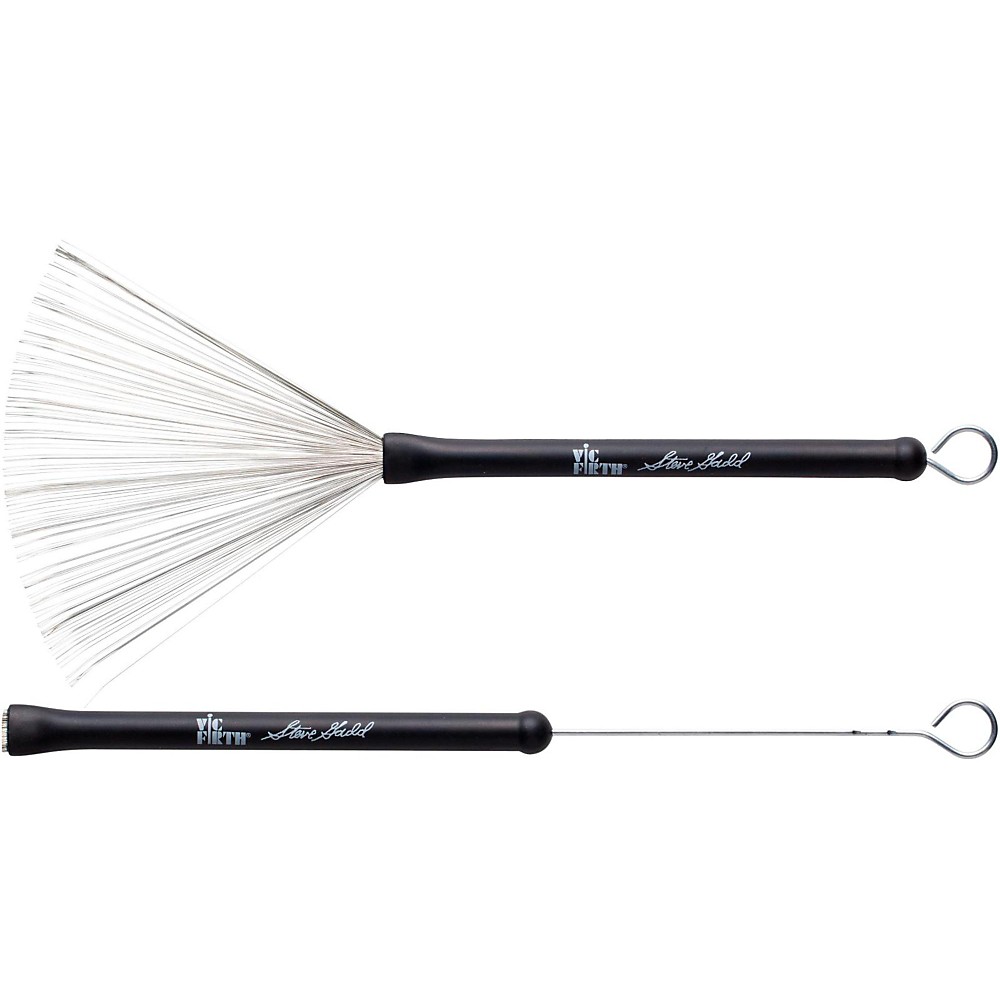
4. Vic Firth Steve Gadd SGWB Wire Brushes
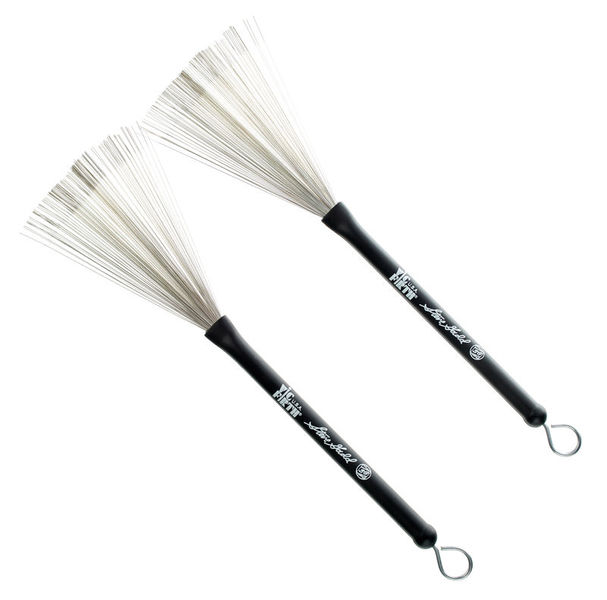
The Steve Gadd wire brushes were constructed by Steve Gadd and Vic Firth to get exactly what they thought was necessary on the market. And of course, they were right. The Vic Firth Steve Gadd wire brush is a sight to behold.
The SGWB has slightly angled wire ends that help the brush move across a coated head with less snagging. Its pull rod retracts the light-gauge fan and offers several exposure settings. That is a specific advantage for repeated snare sweeps, rather than a reason to assume it replaces every straight-wire brush.
This exact SGWB pair has a current Guitar Center path, but the retailer marks it backordered while accepting orders. The saved Amazon ASIN has no confirmed new offer today. If you need brushes immediately, use one of the confirmed in-stock pairs here; if the angled-wire design solves a problem in your playing, it may be worth waiting for.
5. Vic Firth WB Jazz Brushes
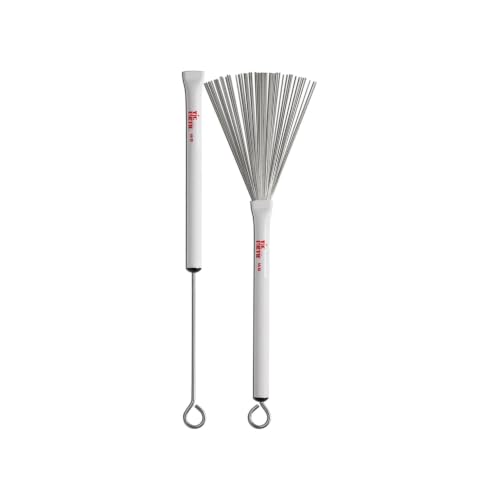
The Vic Firth WB Jazz Brush has a plastic handle and a retractable, medium-gauge wire fan. Its spread adjusts up to five inches, letting you move between broad snare sweeps and more focused accents. It is a different feel from the lighter-gauge Heritage HB above.
The adjustable fan is the useful feature here. A broad spread touches more of the head, while a narrow one changes the attack. Volume will depend on your technique and the surface you play, so choose the WB for control of the spread rather than a promise that it is inherently louder.
6. ProMark Light Nylon Brush 5B
The current ProMark Light Nylon Brush 5B replaces the older B400 in this nylon role. Its light-gauge bristles give a gentler texture than a wire brush, while its retractable design protects the fan in a stick bag. The 5B-sized ABS handle will suit drummers who like a fuller grip when they switch between brushes and sticks.
This PMNB5B pair has yellow nylon bristles, so the old description of blue B400 brushes no longer fits. The color helps you find the pair in a gig bag, but the reason to choose it is the nylon response for a quiet practice space or an arrangement with room for a softer brush part.
The bristles retract into a counterweighted ABS handle. You can vary the exposed length to change the feel and then pull them in for travel. The fuller 5B grip is different from the narrower wire brushes above, which gives this slot a clear reason to stay in the list even if you already own a basic metal pair.
7. ProMark TB3 Jazz Telescopic Wire Brushes
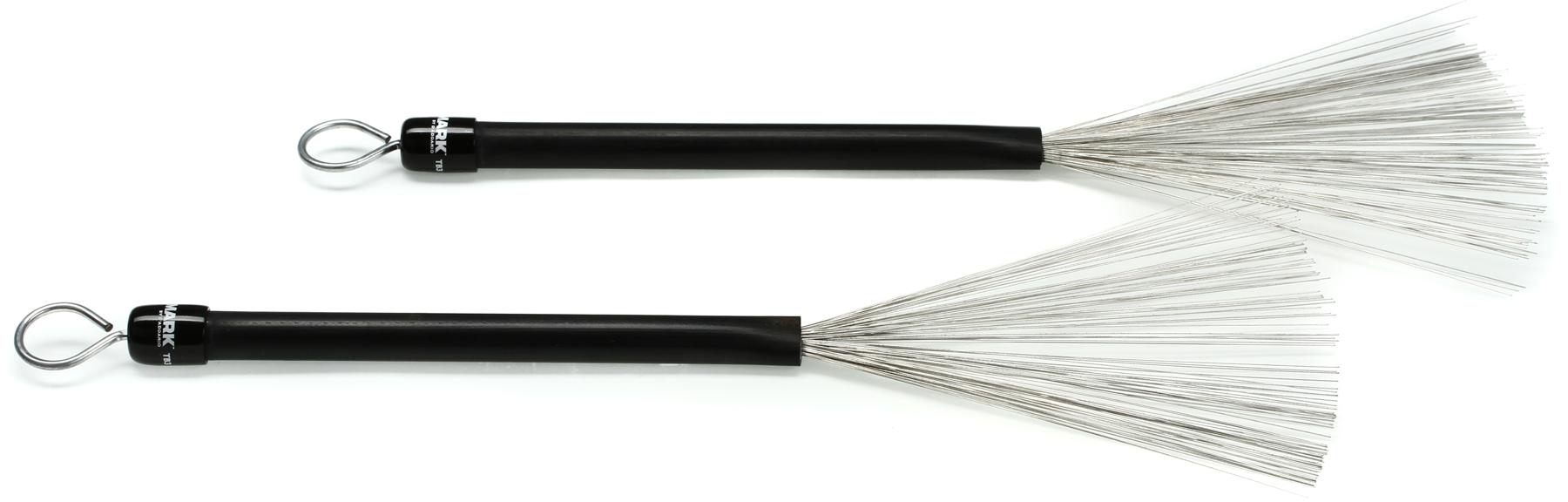
The ProMark TB3 is a telescopic steel-wire brush with a smooth rubber handle. Its light-gauge bristles respond to small movements, making it useful for detail in a quieter jazz or acoustic setting. It remains a current model, even though the saved Amazon listing has no confirmed new offer.
A pull rod lets you change the exposed wire length and protect the fan when you put the pair away. The exact Sweetwater TB3Brush page is live and in stock, giving this slot a current US buying path. Compare its grip and balance with the Heritage HB if you want an everyday wire pair.
The Coming of Drum Brushes
Drum brushes came into being in the 20th century with jazz musicians. They were the first to start using them next to normal sticks, giving them a more complex and nuanced sound.
With the birth of rock music, they became a bit obsolete because they weren’t heard enough through loudness by other instruments. But they lived in the jazz community and today are making a comeback in all of the genres.
How do drum brushes sound?
Drum brushes are mostly used for jazz music due to their beautiful swishing sound. The reason behind the sound is the bristle and handle of the drum brush. If you have a high-quality brush then just imagine how your drum kit will sound like.
The bristles, the handle, the wires, as well as the angles you use will all contribute to the quiet and brushing sound most notable in jazz music. It almost sounds like quiet scratching but with a beat behind it.
Nevertheless, brushes give a beautiful sound that just fills the background and serves as a strong foundation for a song.
How are they build and what types of brushes are there?
The build of the brushes themselves is simple – you attach a lot of metal or nylon frisks on a stick and voila! In the beginning, only the metal frisks were used, and they still make a majority of brushes today.
Recently though, nylon brushes started to make a breakthrough as more and more drummers are using them. The handles of the brushes are usually rubbery, to keep them in the hands when sweaty.
In the build of the brushes, it’s also important to notice if the brushes are retractable or not. This is done by adding a simple rod in the bottom of the brush which enables you to retract the brush completely, thus shielding it away. Also, you can adjust the fan size of your brushes by adjusting how retracted you want them to be when playing.
This affects the sound you can get out of your brushes but comes with the inherent danger of that moving rod braking, thus making your brushes unusable. On the other side, the solid body brushes are in danger of breaking the delicate frisks if they are inadvertently broken.
What to look for when buying a drum brush?
The obvious first reason is the type of brush. You need to figure out which type you need, based on what style of playing you’re currently into. Nevertheless, the options are retractable or fixed so choose the one most appropriate for you.
When it comes to features and dimensions, you want something that sits well in your hands, maintains a good grip, and also has some cool little features that might very well up your game or are just comfortable.
Lastly, the price is something to consider. Although none of these brushes is incredibly pricey, still, you need to know your limit and whether or not you really need a top-quality brush or just a starter one. Think hard and choose the most suitable one without going overboard if you don’t need to.
Conclusion
Drum Brushes are simple little things. There’s not much to the build of them, but their versatility is what makes them such a great tool to use when playing drums. The sound you get out of your brushes depends on the material that the frisks are made from.
You must pick up your drum brushes from a reputable brand, if not, you risk getting low-quality materials that won’t give you the sound or life expectancy that’s expected.
My top recommended brush is the Vic Firth Heritage Brush. A very frequently used brush by a trusted brand and good quality material.
My second recommended brush is the Musiclily Retractable Jazz Drum Brush for those on a tighter budget, looking to score a good deal and solid quality.