How Long Do Cymbals Last?
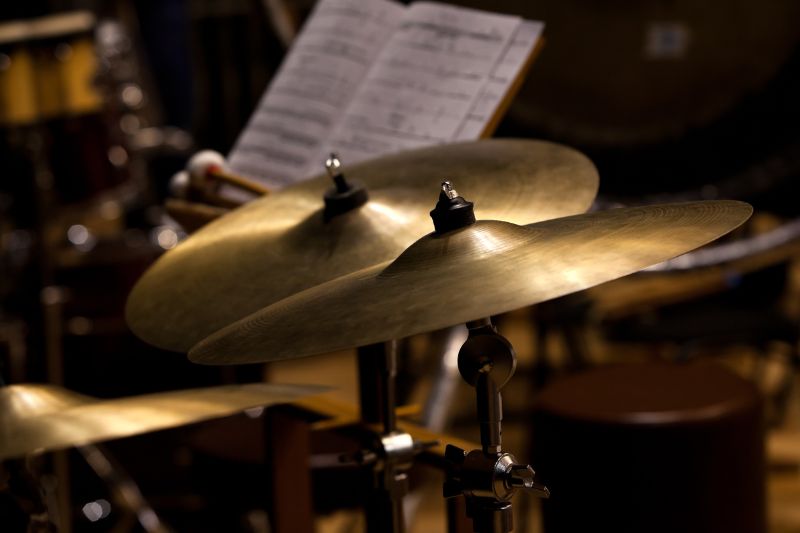
Several factors determine how long a cymbal can last. These include the build material, thickness, wear and tear, your technique, and the type of drumsticks you’re using. With proper maintenance, they can easily last more than 20 years.
All drummers wish their cymbals were indestructible. But treat them right and they can last you a lifetime. Treat them badly and they could break down in a couple of weeks!
Let’s take a deeper look into these aspects, and also discuss how you can prolong your beloved cymbals’ lives.
Contents
How To Make Cymbals Last Longer
There are several things you can do to help extend the lifespan of your cymbals, such as:
- Handle your cymbals carefully: Avoid dropping or throwing your cymbals, as this can cause them to crack or break. Also, be gentle when setting them up and taking them down, and use protective sleeves or cymbal bags to protect them during transport.
- Avoid playing your cymbals too aggressively: Hitting your cymbals too hard or playing them with sharp or pointed drumsticks can cause them to crack or break over time. Try to use a lighter touch and avoid playing at the very edge of the cymbal, as this can also be hard on the instrument.
- Clean and maintain your cymbals regularly: Use a soft cloth to wipe down your cymbals after each use to remove any dirt or grime that may have accumulated. Check the maker’s finish guidance before using a cymbal cleaner; some finishes need only a dry cloth.
- Store your cymbals properly: Avoid exposing your cymbals to extreme temperatures or humidity, as this can cause them to crack or warp. If you need to store your cymbals for an extended period, it is a good idea to place them in protective sleeves or bags.
By following these tips, you can help extend the lifespan of your cymbals and ensure that they continue to provide great sound and performance for many years to come.
Cymbal Materials
Traditionally, cymbals are made from the highest-quality B20 Bronze, hammered by hand individually. While pro and advanced-intermediate cymbals are still B20, many affordable cymbals are now made of B8, B10, and B12 variants. And entry-level ones are brass.
Alloy alone does not predict how long a cymbal will last. A B20 cymbal is not automatically tougher than a B8 or brass one; construction, mounting, handling and playing technique also matter.
Size and Weight
Size and weight affect how a cymbal responds to a stick and can influence its lifespan. Neither makes a cymbal immune to cracking; choose a sound and response that suit your playing style rather than assuming heavier always lasts longer.
On the other hand, smaller and lighter cymbals may be more agile and responsive, but they may be more prone to damage if played too aggressively. If you need help deciding what size cymbals you should get, it’s worth doing the research beforehand.
Handling Of The Cymbal
Cymbals are a drummer’s precious possession. And like all things precious, they, too, need to be handled with the utmost care. A lot of drummers ignore this simple but essential aspect when it comes to looking after cymbals.
This includes not storing them in bags when not in use or during tours, not cleaning them regularly, or not mounting them properly with felts on top and bottom. Continuous mishandling over time can lead to a smaller lifespan for cymbals.
Wear and Tear
This factor, more or less, can’t be helped by musicians, particularly professional ones that have to tour and do a lot of live performances. Even though this is not as big of an issue as mishandling the cymbals, wear & tear do affect the cymbal’s lifespan.
Touring involves mounting, dismounting your setup, going on the road, and playing for the crowds. There are also times when cymbals are exposed to notorious weather conditions like rain, sun, and wind. All of this takes a toll on cymbals, which results in them getting darker and frail and eventually breaking down.
Technique
Cymbals can last a long time, but a crack does not by itself prove poor technique. Edge impacts, a tight wing nut, missing sleeves or felts, transport damage and repeated hard playing can all contribute. Check the setup and the way the cymbal is struck before blaming one cause.
There are many tutorials online that will tell you the best way to hit the edge of cymbals in a whipping motion, using the wrist. While doing so, use the neck of your sticks to make the impact and your cymbals will thank you.
Does Brand Matter?
The brand of a cymbal can be an important factor to consider when purchasing a new cymbal, as different brands may have different reputations for quality, durability, and sound. However, it is important to keep in mind that the best cymbal for one person may not be the best for another, as personal preferences and playing styles can vary widely.
Some well-known and highly respected cymbal brands include Zildjian, Sabian, Meinl, and Paiste. These brands have long histories in the music industry and are known for producing high-quality cymbals that are favored by many professional drummers.
It is difficult to say which are the best or worst cymbals overall, as this can depend on personal preferences and the specific needs of each drummer. It may also be helpful to read reviews and ask other drummers for their recommendations.
Make sure to do your research and try the cymbals before you get them, as cymbals from these brands tend to cost quite a lot, especially their premium or signature series of cymbals.
Conclusion
In conclusion, the lifespan of a cymbal can vary widely depending on several factors including the quality of the cymbal, the way it is played, and how it is cared for. High-quality cymbals made from bronze tend to last longer than cheaper cymbals made from other materials, and size and weight can also affect a cymbal’s lifespan.