The 7 Best Electronic Drum Modules (2026) – Drum Brains and Trigger Modules
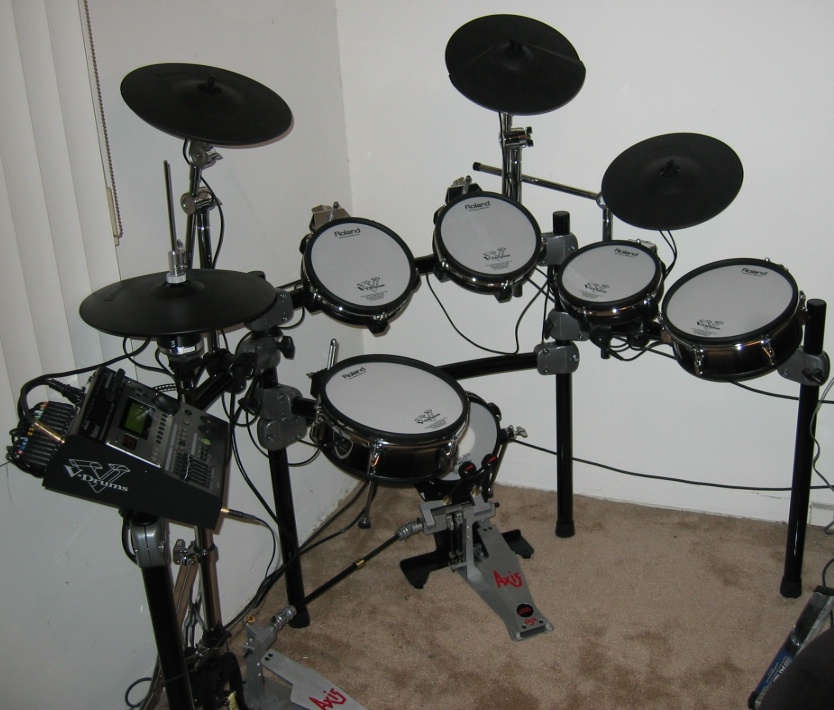
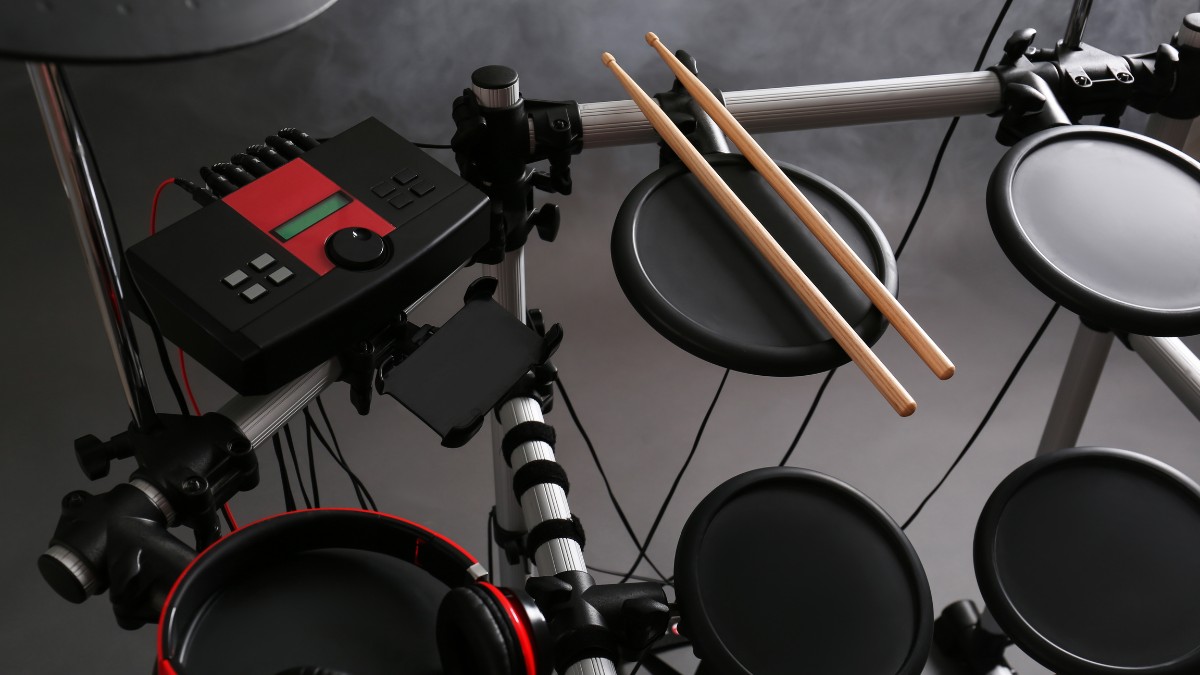
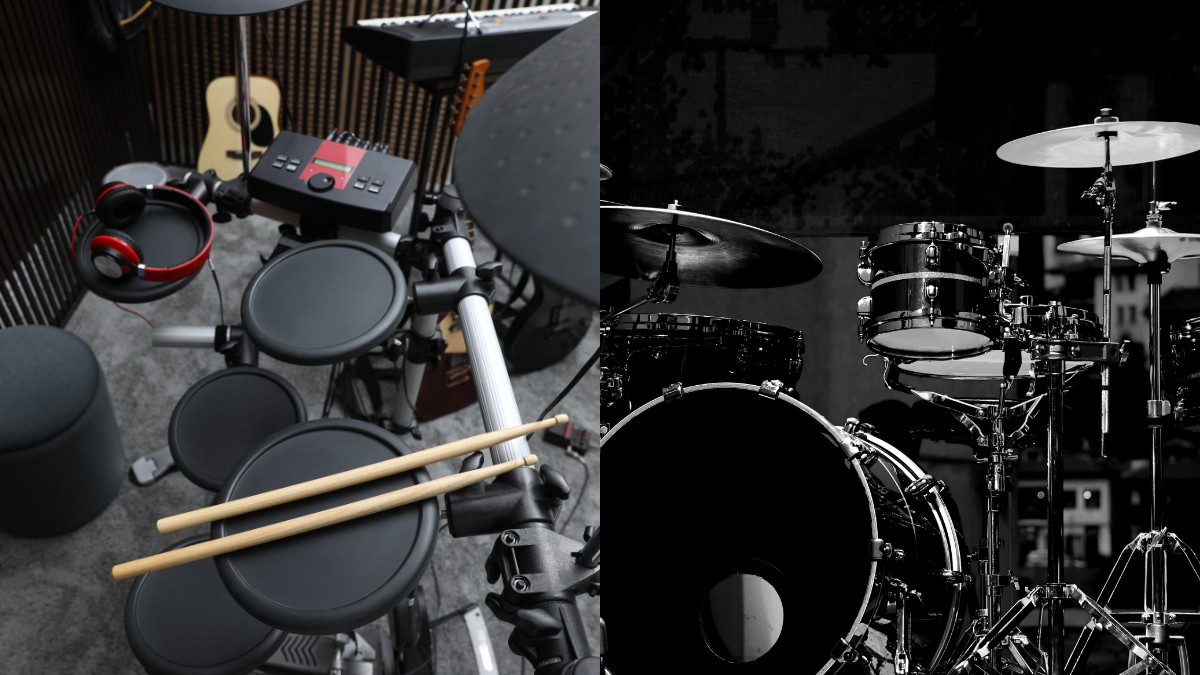
A central part of your electric drum kit is the drum module. Thanks to advancements in these devices, the times of awkward, clunky-sounding electronic drums have passed.
Today, more and more drummers are turning to electronic drum kits and triggering, realizing all the benefits that these instruments have.
My flagship full-kit pick is the Roland V71. Choose a module around compatible pads and the outputs you need; a hybrid trigger companion serves a different purpose from a complete electronic-kit brain.
My recommended drum trigger module is the Roland TM-2, which is a basic, affordable option for those not looking to break the bank. The Roland TM-6 PRO is an outstanding option if you’re looking for a high-end trigger module.
Contents
The 7 Best Electronic Drum Modules (2026)
Let’s compare these in more detail.

1. Roland V71
The V71 takes the flagship slot for a reader building an extensive kit or recording multiple drum channels. It replaces the Mimic Pro, whose checked Amazon listing had no confirmed new offer and whose Sweetwater destination no longer supplied a current new-unit buying path. That does not erase the Mimic’s value to an existing owner.
Roland’s current module uses a DW-derived multi-sampled sound library. Fourteen analog trigger inputs and three digital-pad inputs support an expanded Roland setup. Eight balanced direct outputs, master outputs and multichannel USB audio give a recording engineer more routing options than the smaller V51 or V31.
I would pay for the V71 when those connections solve a real setup problem. Its 4.3-inch color display is not a touchscreen, and third-party pad compatibility still needs checking. The onboard sounds work without a subscription; optional Roland Cloud content has separate membership or purchase terms.
| Role | Flagship full-kit module |
| Pad inputs | 14 analog; three digital |
| Routing | Eight direct outputs; master outputs; USB audio/MIDI |
| Display | 4.3-inch color LCD |
Pros
- Extensive inputs and output routing
- Expandable current Roland sound platform
Cons
- Too much hardware for a small kit
- Check every pad and hi-hat compatibility

2. Roland TM-2
The TM-2 stays as the budget hybrid choice. It makes sense when you want to add a kick layer, electronic snare sound or a few percussion effects to acoustic drums. It does not have enough inputs to be the central module for a conventional full electronic kit.
Two dual-trigger inputs, onboard sounds and SD-card WAV playback keep the setup compact. Roland provides stereo outputs, a headphone connection and MIDI in/out. The module runs from its supplied adapter or four AA batteries, which can be convenient for a small acoustic performance setup.
Choose it by the number of trigger zones you need, rather than by the number of preset sounds. Separate triggers and compatible cables still need budgeting. If several acoustic drums need independent processing and outputs, the TM-6 PRO at the end of this guide is the more appropriate step up.
| Role | Small hybrid setup |
| Trigger inputs | Two dual-trigger inputs |
| Personal sounds | WAV playback from SD/SDHC |
| Power | Adapter or four AA batteries |
Pros
- Compact acoustic-kit add-on
- User WAV playback and MIDI
Cons
- Not a full-kit replacement
- Limited simultaneous trigger connections

3. Roland V51
The V51 replaces the TD-50X as the current Roland upgrade for players who want digital snare, ride and hi-hat support without the V71’s large output bank. The old TD-50X Sweetwater destination now redirects to a different module, so retaining that offer would misidentify what the reader can buy.
The V51 shares the current Roland sound engine and accepts three digital pads. A trigger harness plus four additional analog inputs serve the rest of the kit. Two direct outputs, master outputs and up to 32-channel USB audio provide flexible recording, but less physical separation than the V71.
This is my practical choice for upgrading an established compatible Roland kit. Its six faders are useful for quick balance changes. Check which harness connections a digital pad replaces before counting every socket as an additional instrument. Optional sound expansions are separate from the included onboard library.
| Digital-pad inputs | Three |
| Analog connections | Trigger harness plus four extra inputs |
| Outputs | Stereo master; two direct outputs |
| USB | Audio and MIDI; vendor mode up to 32 channels |
Pros
- Current digital-pad support
- Hands-on balance controls
Cons
- Fewer physical direct outputs than V71
- Harness and digital assignments need planning

4. Yamaha DTX-PROX
The DTX-PROX replaces the old DTX900 recommendation for the Yamaha player who needs stage or studio routing. Yamaha marks the old DTX900 kit series discontinued, and the checked standalone module offer did not establish a current new purchase path. The replacement is a standalone DTX-PROX, not a complete DTX10 kit.
Ambience, compression and effect controls make the PROX useful when you prefer shaping a kit directly from the panel. Eight individual output channels allow a mixer to receive separate drum feeds. Bluetooth audio adds a backing-track connection, while USB audio/MIDI and training functions cover recording and practice.
I would choose the PROX over the PRO for individual outputs and live control. I would not treat it as a universal upgrade for every brand of pad: hi-hat control, multi-zone cymbals and trigger wiring need checking against Yamaha’s compatibility information first.
| Role | Yamaha live/studio module |
| Individual outputs | Eight channels |
| Panel controls | Ambience; compression; effects |
| Connections | USB audio/MIDI; Bluetooth audio |
Pros
- Separate output channels
- Direct kit-shaping controls
Cons
- More routing than many home players need
- Pad compatibility is model specific

5. Yamaha DTX-PRO
The DTX-PRO takes the everyday Yamaha slot formerly occupied by the DTX502. The older DTX502 series is marked discontinued by Yamaha, and its checked Amazon offer had no confirmed new buy state. The PRO provides a current standalone route for readers who want a Yamaha full-kit module.
Its kit-modifier controls adjust ambience, compression and effects without requiring every change to be made in a deep menu. USB audio/MIDI, WAV import and training tools make it useful for practice and simple recording. Physical output is a stereo pair, with MIDI out and an auxiliary input also available.
For a home kit, I prefer spending on compatible pads before buying routing I will never use. Choose the PROX instead if you need separate physical drum outputs or its additional connectivity. Neither module should be ordered until your particular kick, snare, cymbal and hi-hat combination has been checked.
| Role | Everyday Yamaha full-kit module |
| Physical audio outputs | Stereo L/mono and R |
| Computer connection | USB audio/MIDI |
| Practice | Training tools; WAV import |
Pros
- Practical kit controls
- Current Yamaha upgrade route
Cons
- No bank of individual audio outputs
- Check existing trigger wiring

6. Roland V31
The V31 replaces the Alesis Strike module as the compact current module in this list. The old Strike listing had no verified new offer, and a Strata kit is not the same product. I prefer a standalone V31 with a confirmed new buying path for a buyer starting an upgrade now.
It uses the same current Roland sound platform as the V51 and V71, but provides one digital-pad input. A trigger harness and two additional analog inputs cover a smaller layout. Stereo master output, headphones and USB audio/MIDI suit home recording; there is no bank of direct drum outputs.
The V31 is my choice when you want current sounds and computer recording in a simpler cabinet. Select the V51 if you plan to use digital snare, ride and hi-hat together. This is a change of ecosystem for an Alesis owner, so the replacement recommendation does not imply that existing Strike pads will work unchanged.
| Role | Compact current Roland module |
| Digital input | One |
| Analog connections | Harness plus two extra inputs |
| Outputs | Stereo master; headphones; USB audio/MIDI |
Pros
- Current expandable sound platform
- Compact layout for home use
Cons
- Only one digital-pad input
- Not a guaranteed Alesis pad replacement

7. Roland TM-6 PRO
The TM-6 PRO remains my advanced hybrid choice for adding electronic layers to an acoustic kit. Six dual-trigger inputs cover a much larger acoustic setup than the TM-2. This is a specialist companion for triggers and pads, rather than my first choice for a conventional electronic kit with a complex hi-hat.
Roland provides onboard drum and one-shot sounds, SD-card WAV import, stereo master outputs and four assignable direct outputs. It also has USB audio/MIDI and a MIDI output. The previous claim that it lacked USB/MIDI was incorrect.
I would select it for a live rig where separate kick, snare and other sample feeds matter to the mixer. Prepare and level-match user samples before the show; a large library does not automatically make transitions consistent. Readers who need only one or two extra trigger sounds can keep the setup smaller with the TM-2.
| Role | Expanded acoustic/electronic hybrid |
| Trigger inputs | Six dual-trigger inputs |
| Routing | Stereo master; four direct outputs |
| Digital connection | USB audio/MIDI; MIDI out |
Pros
- More trigger and output flexibility than TM-2
- User WAV import
Cons
- Overkill for a two-trigger setup
- Not the simplest conventional full-kit brain
Conclusion
For an extensive kit and separated studio outputs, my pick is the Roland V71. The V51 and V31 reduce hardware according to your digital-pad needs; the DTX-PROX and DTX-PRO offer two practical Yamaha routes. For acoustic-drum layers, choose the Roland TM-2 or TM-6 PRO by trigger count. Verify pad compatibility before buying any module.