Alternatives to the Roland Noise Eater
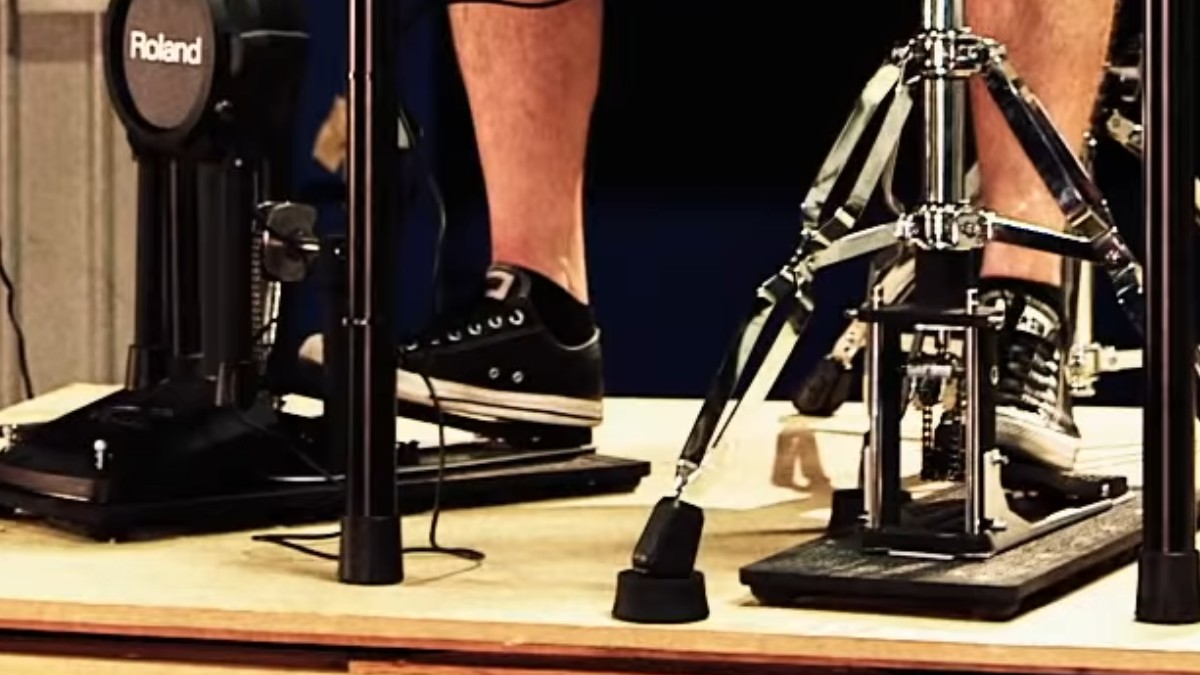
Some alternatives to the Roland Noise Eater are using DIY tennis ball risers, Sylomer pads, low-noise kick trigger pedals, or other noise reduction measures. The Roland Noise Eater is a popular solution to lower the volume and vibrations of your electronic drums, but it’s quite expensive.
Keeping it quiet while drumming can be a tough task. But hey, we’re in luck! There are several ways to reduce it, though a softer platform or a different pedal can change the playing feel.
In this article, I’m gonna share some tips and tricks for keeping your electronic drumming quiet, without sacrificing your groove. I’ll take a look at a bunch of different methods for reducing noise, and compare some popular products like Roland Noise Eaters to see if there are any good alternatives out there. So, if you’re tired of disturbing your neighbors or family members with your beats, keep reading!
Contents
Understanding Roland Noise Eaters
Roland Noise Eaters are pretty cool gadgets made by Roland, to help reduce noise and vibrations from electronic drum kits. They aim to cut down on the vibrations transferred to the floor. The NE-10 supports a pedal and compatible kick setup; NE-1 feet isolate supported kick-pad or hi-hat-stand legs. Follow the layout for your hardware so untreated legs do not leave another path into the floor.

Noise Eaters mainly address structure-borne vibration, such as pedal thumps heard downstairs. They do not silence airborne stick taps on pads and cymbals. First identify which sound is causing the problem; our guide to electronic drum noise explains both paths.
Alternatives to the Roland Noise Eater
| Option | When it makes sense | Main limitation |
|---|---|---|
| Tennis ball riser | You want to try a DIY platform for floor vibration. | Support layout and stability need testing under the actual load. |
| Sylomer supports | You can select a grade and pad area for the supported weight. | Random offcuts or the wrong load can perform poorly. |
| Low-noise kick trigger pedal | The beater striking the kick tower is a problem. | Foot impacts remain; module compatibility and playing feel matter. |
Tennis Ball Riser as an Alternative
An alternative to Roland Noise Eater is the tennis ball riser, which offers a budget-friendly solution for noise reduction in electronic drums. Made from a simple platform supported by tennis balls, it aims to lessen vibrations and noise transmitted through the floor during a drumming session, using resilient supports rather than a solid connection to the floor. It is a DIY experiment, not a guaranteed match for a commercial isolator. Secure the supports so they cannot roll away, and check that the platform stays level without excessive rocking under your actual playing load. Keep its edges clear of walls, and do not run screws or stand spikes through to the floor. If you want to make a tennis ball riser yourself, then check out the video below:
DIY Noise Eaters – Sylomer Pads
For those interested in do-it-yourself noise reduction solutions, Sylomer pads offer a viable alternative to Roland Noise Eaters. Sylomer is a versatile and durable polyurethane foam material designed to efficiently absorb vibrations and lessen noise transmission. Their grade, thickness and loaded area need to suit the weight resting on them. A platform carrying the drummer and throne needs a different load calculation from one carrying only pedals. Ask the supplier to size the supports; simply buying the softest grade or copying someone else’s pad count can give poor results. They target floor vibration rather than airborne pad tapping. For a tutorial on how to make this for yourself, check out the video tutorial below:
Use a Low-Noise Kick Trigger Pedal
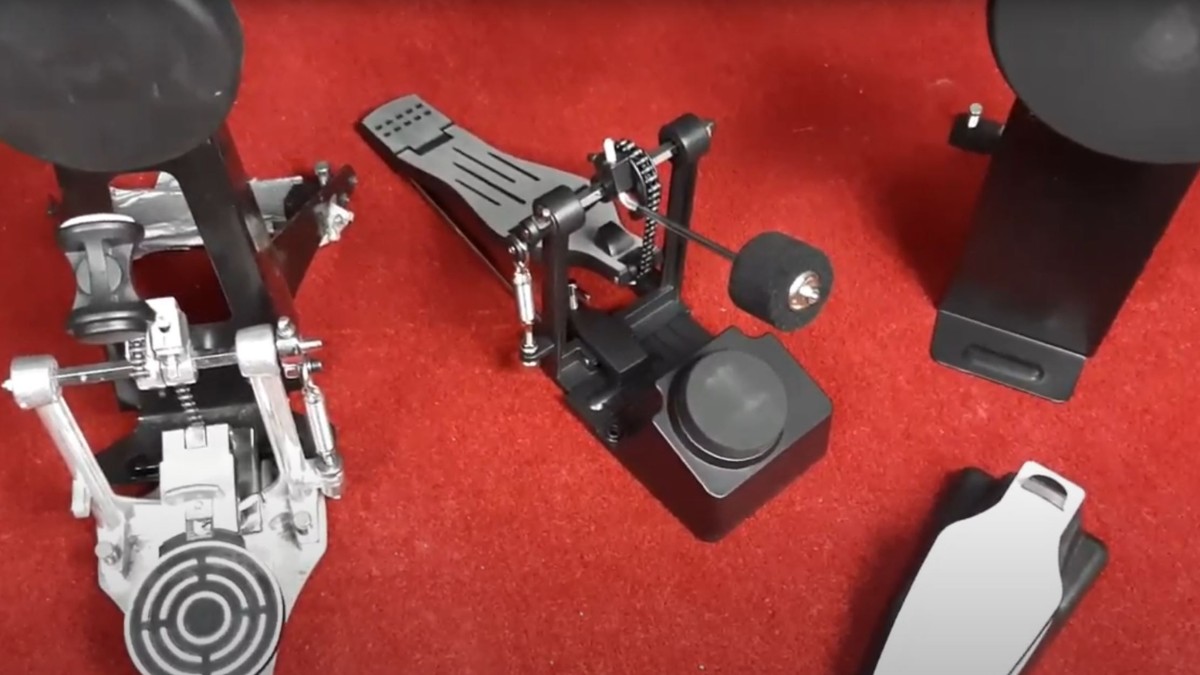
The Roland KT-10 Kick Trigger Pedal is a great solution for drummers who want a quieter alternative to traditional kick pads. The KT-10 removes the need for a separate kick tower and conventional forward-swinging beater. It uses an internal reverse-action trigger mechanism, so it is not accurate to describe it as having no beater mechanism at all.

The Roland KT-10 has adjustable spring tension and movable weights, so you can tailor its response. A self-contained trigger pedal still feels different from your usual pedal and tower; try it if possible.
It connects to a compatible kick trigger input on your module. Check the supported pedal and trigger settings rather than assuming a matching jack guarantees compatibility. A quieter kick mechanism can reduce the sound in the room, but your foot still applies impacts to the floor, so isolation may still be needed.
Check the result before adding more layers
Use headphones and test the kick, hi-hat pedal and pad strikes separately. With your neighbor’s agreement, compare the same short groove before and after a change from the room where the noise is troublesome. Keep the pedal and tower stable together; if a support compresses flat, slides or makes you compensate with awkward footwork, reconsider the setup.
A carpet is useful for grip and floor protection, but it is not a reliable replacement for a correctly loaded isolation system. Foam panels on the walls deal mainly with room reflections, not floor impacts. If noise still carries, agree on shorter daytime sessions or use a rehearsal room for louder work. Our apartment drumming guide covers that wider practice plan.