Can You Use a Guitar Amp for Electronic Drums?
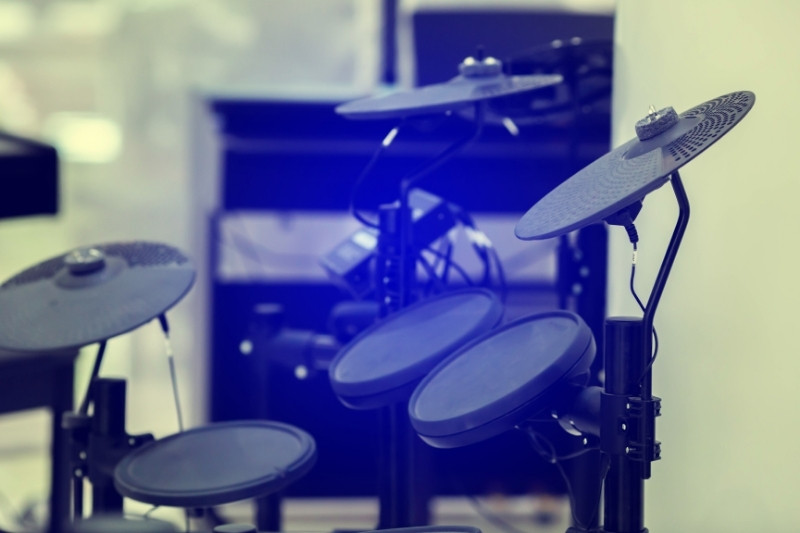
A guitar amp can work for electronic drums at low practice volume if it has a suitable input. A dedicated drum monitor or PA speaker will usually reproduce more of the kit’s sound. A small guitar speaker can distort or be damaged if you push it hard with a bass-heavy drum signal.
A kick drum can produce deep lows, while cymbal sounds have energy well up into the treble. A guitar speaker is voiced for a narrower range and may make the kick sound thin or the cymbals dull. A clean signal at the input still goes through that same speaker.
Contents
What are other Amplification Sources?
A powered PA speaker is a good option for an e-drum kit. It can handle a mix of kick, cymbals, backing tracks and other instruments. One powered speaker can be enough for personal monitoring. A PA that covers a full band in a room takes more space and setup.
A dedicated drum monitor is another option. Smaller models are handy for home practice, while bigger cabinets with more headroom are useful when you need to hear the kit over a band.
Bigger and better-sounding drum amps can often be quite costly and sometimes cost as much as a PA system, so that is something to consider if you decide to get one. Here is a list of the best drum amps you can check out.
A keyboard amp with a suitable line input can work well, too. It is built to cover low notes and bright sounds from a keyboard, which makes it a better fit for a drum module than many guitar combos.
Of course, if you just want to practice playing drums, you can just use a set of headphones and connect them to your drum module.
How to Play Electronic Drums on a Guitar Amp?
Check both manuals before connecting anything. If your module has an L/MONO output, run that into a compatible line input or auxiliary input on the amp with the cable the manuals specify. Some modules have a combined stereo headphones/output jack instead. For a mono connection, use the module’s mono setting or the cable arrangement it specifies so you keep sounds panned to both sides.
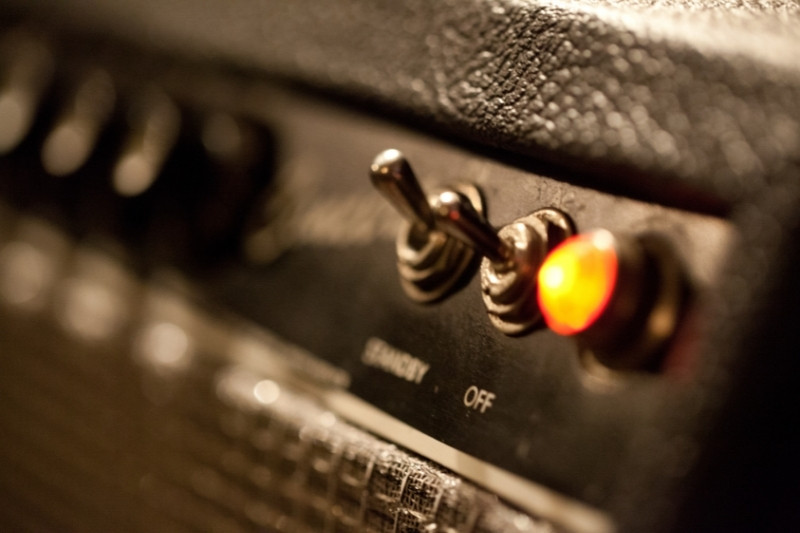
If the guitar amp only has a guitar input, its preamp can distort when fed a hotter module signal. Start with the module and amp volume down, use a clean setting with effects off, and bring the level up gently. Test a few kick hits first. If the speaker rattles, farts out, or sounds strained, turn it down and switch to headphones or a suitable monitor.
How to Choose an Amp for Electronic Drums?
Choose for the room and the job. For practice at home, check that kick and cymbal sounds are clear at a low volume. For a rehearsal, look for enough clean headroom to hear the drums over the other instruments. Wattage is one part of that decision, alongside the speaker and its cabinet.
Another thing to consider is how many inputs and outputs the amp has, which depends on your playing style and what you generally need. Some drum amps have EQ built-in, so check if the amp checks all the boxes you need.
And lastly, price and brand. While Roland and Yamaha are pioneers in this domain, there are a lot of other manufacturers nowadays that you can easily find something that suits you well.
Conclusion
A guitar amp is a temporary practice option. For everyday use, choose headphones for quiet practice or a drum monitor, keyboard amp or powered PA speaker when you need to hear the kit in the room. If the kit still sounds wrong through headphones, check the module’s sounds and pad settings before replacing the speaker.