Why Are Electronic Drums So Expensive?

E-drums are not as expensive as you think. Brands like Alesis have been pushing down the price while offering more value. Classic e-drum brands like Roland and Yamaha can still be quite expensive mainly because their brands can command a higher price due to their build quality and R&D costs.
Well-known brands can command the price just based on their reputation. That does not mean that they are not worth it, though. Roland and Yamaha have been around for a long time, and it’s only logical that they are the leaders when it comes to the newest e-drum technologies.
Contents
At a Glance
- Reputable manufacturers like Roland and Yamaha have been around for decades and can command the price due to their status. However, there are a few companies like Alesis who make excellent budget-friendly e-drum kits.
- Roland’s VAD kits sit at the higher end with acoustic-style shells. Alesis offers simpler, more affordable setups for home practice.
- The difference between expensive and cheap electronic drums lies in the quality of the pads, materials, components, and sensor technology.
- Pad size, the number of playing zones and the type of hi-hat controller can change the feel of a kit. Some cymbal pads cover only part of the surface with rubber.
- Check what the pads can detect and what the module can record and send. They’re separate specs, and both can matter to your playing.
- Compare the cost of a playable setup. A kick pedal, throne, headphones or hi-hat stand may be sold separately.
What’s The Difference Between Expensive Electronic Drums and Cheap Ones?
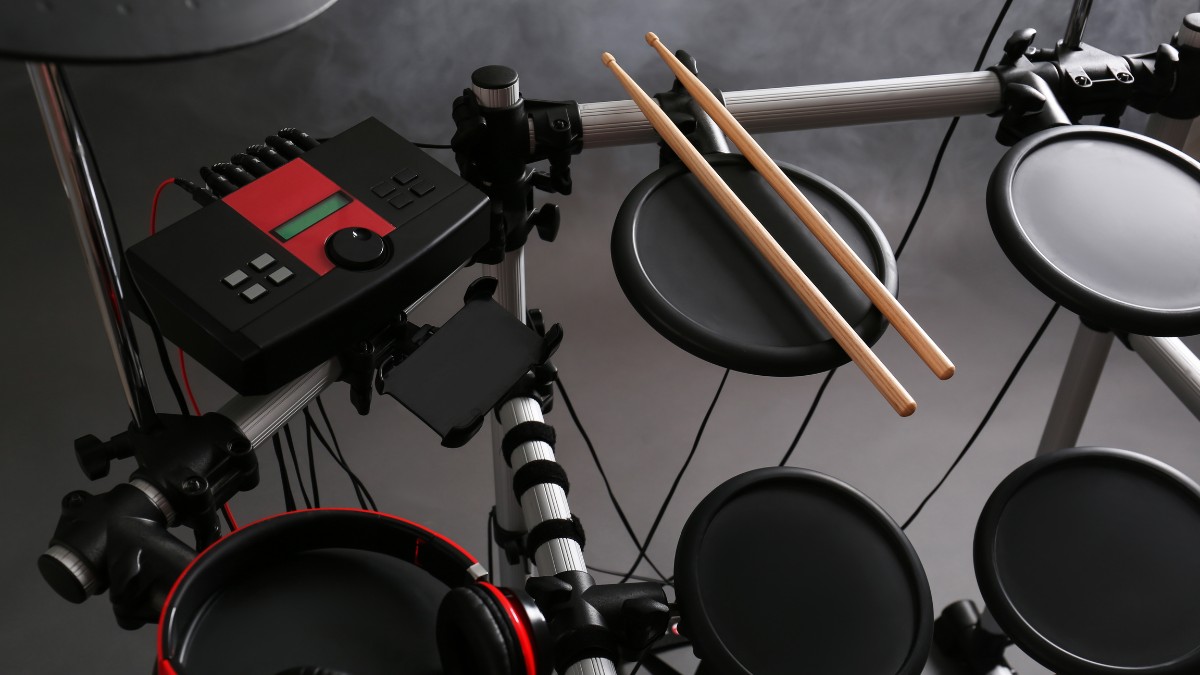
Roland’s VAD kits use acoustic-style shells and sit at the higher end of its lineup. Brands such as Alesis make compact, lower-cost kits for practicing at home. Some of the extra cost goes into the physical parts you play, such as a larger snare or a moving hi-hat, while some goes into the module.
Check the cymbal’s size, whether you can choke it, and which zones it senses. A three-zone ride can distinguish the bell, bow and edge when paired with a compatible module. The thickness of the rubber alone tells you little about those functions.
Some cymbal pads don’t cover the whole cymbal in rubber. Instead, they only cover the part where you play it, and that’s where some brands cut down the cost to make the kits more affordable.
Two kits can use the same module and feel quite different. Roland’s TD-17KV2 and TD-17KVX2 both use the TD-17, for example. The KVX2 has an extra crash and a moving hi-hat that fits on a separate stand. The KV2 has a fixed hi-hat pad and a separate controller pedal. The difference here is largely in the pads and hardware.
Tips on Saving Money When Buying Electronic Drums
The biggest thing you should consider when buying electronic drum kits is what features you need. We all want the newest technology and best features, but more often than not, e-drum kits that offer this are a lot more expensive and you don’t need all those features.
If you are a beginner drummer, features to consider are the metronome, different practicing modes that the drum module has built-in, sounds, and kits. Also, remember that you need to invest in some sort of an amplifier to hear your playing. For beginners and practicing, I recommend some good headphones as they are cheaper than anything else and do a pretty good job.
Things You Should Know Before Buying Your First Electronic Drum Kit
The first thing you need to worry about is that your electronic drum set is only as good as the audio source you’re listening to. For example, if you buy the most expensive e-drum kit on the market and listen to your playing through some cheap earbuds that come with your phone, it’s no surprise that it will sound pretty bad. So, consider your amplification source when buying your first e-drum kit.
Another important thing to keep in mind if you’re buying an electronic drum kit is that they do make noise. E-drum kits are much quieter than acoustic drum sets, but they still make noise. At the end of the day, you are still hitting mesh or rubber with a drumstick, so be mindful of that.
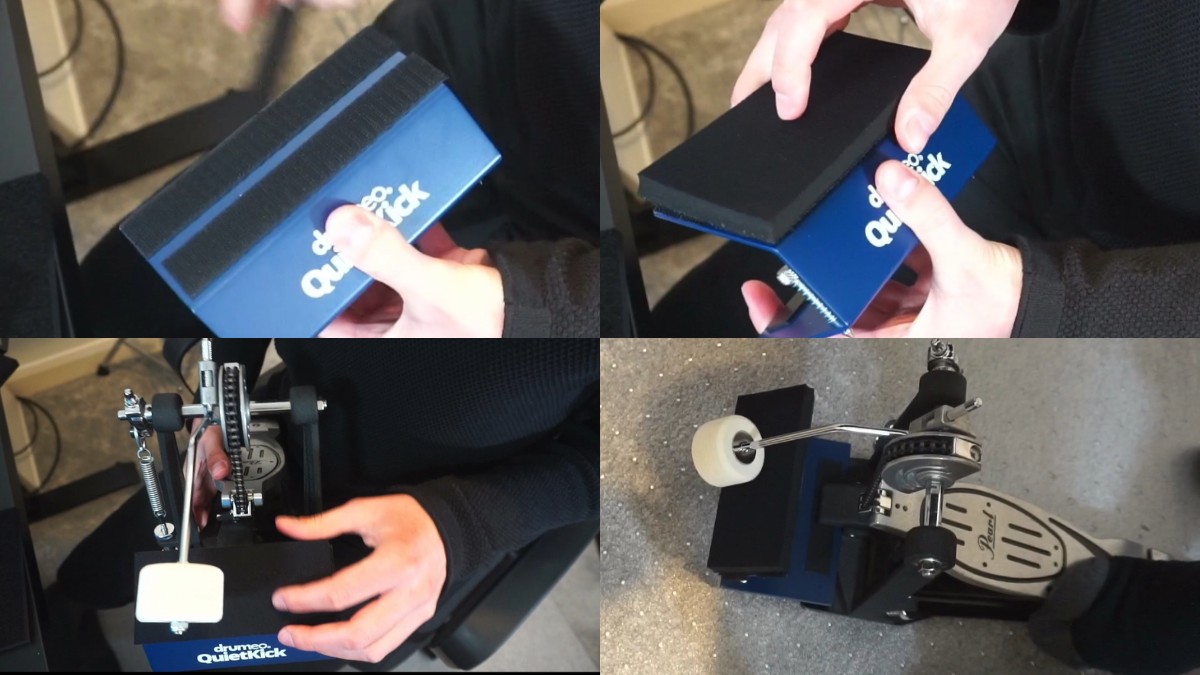
A rug can help keep the kit and pedals from sliding. If people downstairs still hear the kick or hi-hat pedal, the sound may be traveling through the floor as vibration. Check whether there’s room for an isolating mat or platform under the noisy pedal or pad before you set the kit up.
How Much Should You Spend on Electronic Drums?
Set a budget for everything you need on day one. Start with the kit, then add a throne, sticks and headphones or a monitor. Check the exact bundle for a kick pedal and hi-hat stand. Roland, for example, lists both as separate purchases for the TD-17KVX2. A compact entry-level kit can make more sense if you already have headphones and mainly need to practice at home.
If you plan to record, check how the module connects to your computer. A USB connection that sends MIDI can drive another sound source, while USB audio lets you capture the module’s own sounds. Check the manual for the exact model and allow for an audio interface if you need to record its analog outputs.
Used vs. New Electronic Drums
A used kit can save money. Play each zone at several volumes, check the hi-hat from closed to open, and listen for intermittent triggers while moving the cables gently. Confirm that the power supply and any model-specific cable loom are included. Check whether replacement parts are available before judging the kit by its age.
Conclusion
A higher price can buy larger pads, more realistic hardware, a more flexible module or some combination of those. Decide which of those changes you’ll use, then compare what each kit costs with the missing accessories included. A simple kit can cover a lot of home practice.